


Montenegro is a tiny country in the Balkans with a rich wine history. Although it is not nearly as well-known as other wine-producing regions in Europe, Montenegro has a long tradition of growing grapes and producing wine. On a small scale, those wines are now coming our way. And they deserve to be tasted.
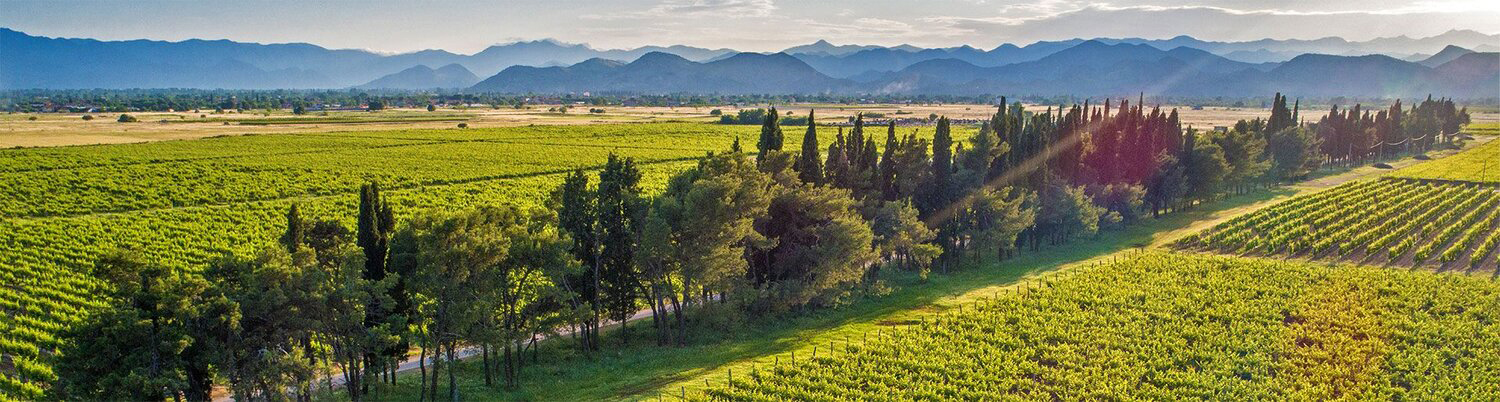
Montenegrin wine tradition is over 2000 years old. The wine culture of the region can be traced back to the ancient Illyrians and later influenced by the Romans and other civilizations. What also makes Montenegro interesting for true wine lovers are the local grape varieties that are used for winemaking. Some of the most important local varieties are Vranac (also Vranec), Krstač and Kratošija.
Vranac is the most widely grown red grape variety in Montenegro. Vranac is known for its full, rich and deeply colored wines with flavors of dark berries and hints of herbs. Vranac wines also often have good aging potential. The white Krstač grape is mainly grown in the regions around Podgorica and Lake Skadar. Krstač wines are light and crispy, with aromas of green apples and citrus. International grape varieties such as Cabernet Sauvignon, Merlot, Chardonnay and Sauvignon Blanc are also grown in Montenegro.
Although it is a small country, Montenegro is home to several wine regions, each with its own unique characteristics. The most prominent wine regions are the Crmnica region (home to the largest vineyard in Montenegro), the Skadar Lakes region (known for its picturesque vineyards) and the Coastal region (which benefits from the Mediterranean climate).
In recent years, wine tourism in Montenegro has grown significantly. Many wineries offer tours and tastings, allowing visitors to explore the vineyards and sample the variety of Montenegrin wines. The picturesque landscapes and historical sites also add to the overall wine tourism experience. Although Montenegro is not yet as well-known as a wine country as some of its neighbours, it offers a unique and vibrant wine scene that is worth exploring.



 Orange wine (27)
 Fresh (92)
 Light (40)
 Rosé (8)
 Aromatic (21)
 Medium (98)
 Sparkling (21)
 Ripe (71)
 Full-bodied (99)