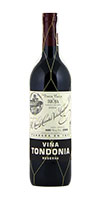
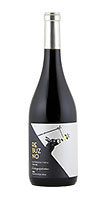
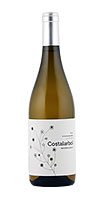
Wine has been produced in La Rioja since ancient times. Monks who went on a pilgrimage to Compostella in the Middle Ages drank in the red Rioja. They spread the fame of the region throughout Europe. But the real breakthrough came in the 19th century. Bordeaux was ravaged by the phylloxera epidemic. French wine merchants crossed the Pyrenees and taught the winemakers of La Rioja how to mature their wine in small oak barrels. They still do this today.
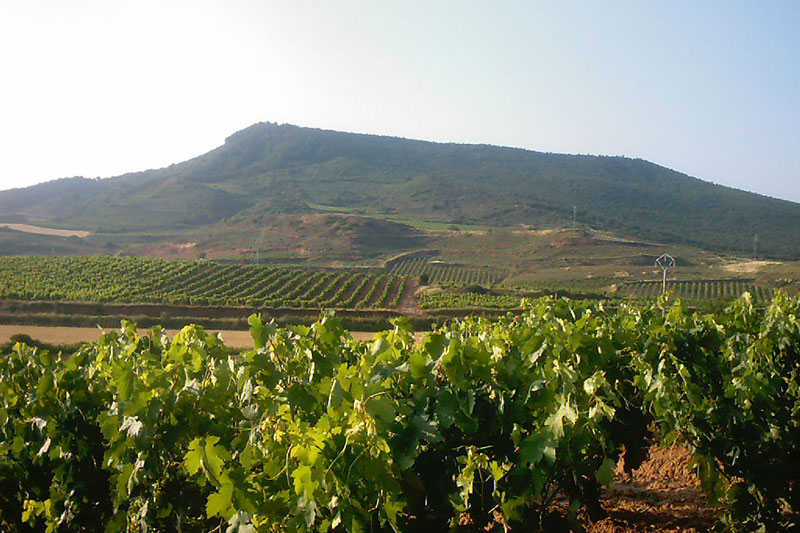
Wine has been produced in La Rioja since ancient times. Monks who went on a pilgrimage to Compostella in the Middle Ages enjoyed the red Rioja. They spread the fame of the region throughout Europe. But the real breakthrough came in the 19th century. The Bordelais was ravaged by the phylloxera epidemic. French wine merchants crossed the Pyrenees and taught the winemakers of La Rioja how to mature their wine in small oak barrels. They still do this today.
La Rioja has significantly increased the prestige of Spanish wine. Because the hilly region has an impressive array of excellent vineyards, it was the only Spanish wine region to receive the highest appellation level at the end of the 20th century: Denominación de Origen Calificada (DOCa).
Red Riojas usually state on the label how they were made. The DOCa Rioja Joven has not matured in oak barrels - or only for a very short time. These fairly light, fruity wines can be sold a year after the harvest. The Crianza has matured in large oak barrels for at least one year and may only be sold after three years.
The DOCa Rioja Reserva has matured in wood for at least one year and may only be sold in the bottle after four years of maturation. The Gran Reserva is only made in exceptionally good years. They must have matured in wood for at least two years and may only be sold after six years. The Gran Reserve is also made in white and rosé, but these are very rare.
The Tempranillo is the most important blue grape of La Rioja. Almost every red wine is made from it. The juice of the Tempranillo is often mixed with Garnacha and/or Mazuela (Spanish for Carignan). This gives the wine more color, acidity and body. A wine secret worth knowing is the Graciano. This is really the qualitatively most interesting blue grape of the region. But it gives a low yield per hectare and that is why only the best Bodegas work with it. Even rarer is the Maturana Tinta, a grape that only a handful of winemakers press red Rioja from.
On the white front, the Viura and the Malvasia play the leading violin. Followed by various indigenous grapes, which have been permitted for a few years. Perhaps in the coming years we will hear more about beautiful grape names such as Tempranillo Blanco, Turruntés, and Maturana Blanca. Traditionally, white Riojas have a ripe and full, often slightly oxidative taste, but more and more wineries are making it fresh and fruity, without wood aging.
La Rioja is divided into three subregions. In the westernmost Rioja Alta you will mainly find fruity, elegant red wines with not too much alcohol. Here you can still find the large, old Bodegas that put the region on the map centuries ago. Tempranillo grows mainly on the chalky soils.
In Rioja Alavesa in the north, fruity red wines also predominate. In contrast to Rioja Alta, you will find few large Bodegas here. It is mainly families that manage the - much smaller - vineyards. Tempranillo grows on gentle, south-facing limestone slopes.
Rioja Baja, in the east, is qualitatively the least interesting of the three subregions. Dark red, powerful wines are made here. We currently have three wines from La Rioja in our range. You can view all our wines from La Rioja here.


 Orange wine (27)
 Fresh (92)
 Light (40)
 Rosé (8)
 Aromatic (21)
 Medium (98)
 Sparkling (21)
 Ripe (71)
 Full-bodied (99)